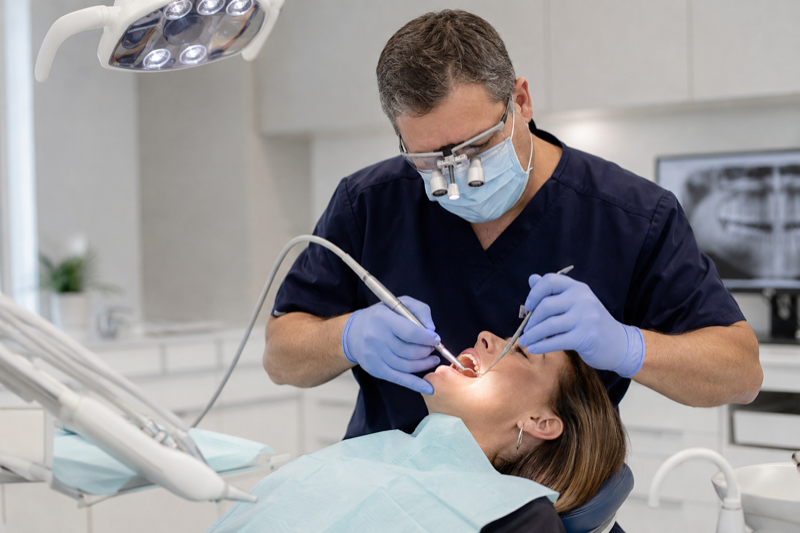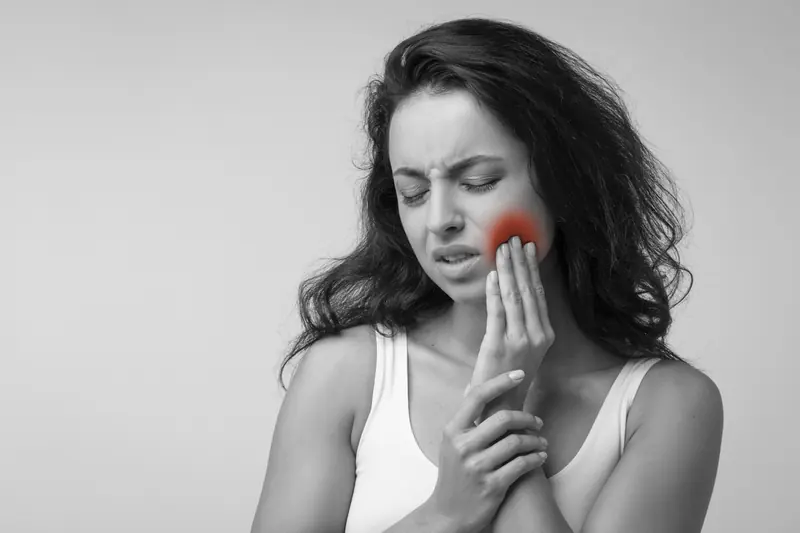
Diabetes and dry mouth can be connected, particularly when blood glucose is higher than your target range or when saliva production is reduced. Diabetes may affect saliva, while dehydration and certain medicines can also make the mouth feel dry.
Persistent dry mouth, known medically as xerostomia, is more than an uncomfortable feeling. Saliva helps wash away food, neutralise acids, protect tooth enamel and control microorganisms. When saliva is reduced, the risk of cavities, gum problems and oral infections can increase.
What Is Dry Mouth?
Dry mouth, or xerostomia, is the feeling that your mouth does not have enough moisture. It is slightly different from hyposalivation, which means objectively reduced salivary flow. A person can feel dry even when measurable saliva production is not severely reduced.
Saliva normally helps to:
- Lubricate the mouth and make chewing and swallowing easier
- Support speech and taste
- Clear food debris and neutralise harmful acids
- Protect and remineralise teeth
- Limit excessive growth of some microorganisms
Reduced salivary flow may increase the risk of tooth decay, demineralisation, sensitivity and oral infections.
Why Does Diabetes Cause Dry Mouth?
Diabetes does not cause dry mouth in exactly the same way in every patient. Several factors may occur together.
1. High blood glucose can contribute to dehydration
When blood glucose remains high, the body may pass more urine as it attempts to remove excess glucose. Increased fluid loss can contribute to dehydration and leave the mouth feeling dry. Dry mouth may occur alongside increased thirst, frequent urination, tiredness or blurred vision, but dry mouth alone cannot diagnose diabetes or show whether diabetes is controlled.
2. Diabetes may affect saliva
Diabetes can change saliva and some people may produce less of it. Reduced saliva removes less food debris and provides less protection against acids, which can increase the risk of cavities, gum disease and other oral problems.
3. Medicines may play a role
Some medicines used for diabetes, blood pressure, allergies, anxiety, depression and other conditions can contribute to dry mouth. Never stop or change a prescribed medicine because of dryness without speaking with the doctor who prescribed it.
4. Other conditions may be responsible
Dehydration, mouth breathing, tobacco use, excess caffeine or alcohol, salivary-gland disorders, Sjogren disease and previous head or neck radiation can also cause xerostomia. Persistent symptoms deserve proper assessment instead of self-diagnosis.
What Does Diabetes-Related Dry Mouth Feel Like?
Dry mouth is not always simply feeling thirsty. Possible symptoms include:
- Sticky mouth or dry tongue: a constant need to sip water
- Dry lips: cracking, roughness or soreness
- Altered taste: food may taste different
- Difficulty swallowing: dry foods may be harder to eat
- Bad breath: which may persist despite brushing
- Burning, soreness or mouth sores: repeated irritation of the mouth or tongue
- Denture discomfort: dentures may feel less stable or rub
Why Is Dry Mouth a Dental Concern for People With Diabetes?
Saliva forms part of the mouth's natural protective system. When there is less saliva, teeth have less protection against acids and food debris. Higher glucose levels in saliva may also support plaque-forming bacteria. People with diabetes may have less saliva, more gum inflammation and slower healing of oral infections.
Persistent dry mouth may contribute to:
- Dental cavities and root-surface decay
- Gum inflammation and periodontal disease
- Tooth sensitivity and bad breath
- Oral fungal infections such as candidiasis
- Difficulty wearing dentures or swallowing comfortably
This does not mean everyone with diabetes and dry mouth will develop these complications. Good diabetes management, preventive dental care and early treatment can reduce risk.
How to Manage Dry Mouth Caused by Diabetes
Management usually has two goals: address the possible cause and protect the mouth while symptoms continue.
1. Keep blood glucose within your recommended target
Follow the diabetes-management plan given by your physician or diabetes-care team. If dryness suddenly becomes much worse and readings are repeatedly outside your recommended range, discuss it with your healthcare provider.
2. Sip water regularly
Frequent small sips may make the mouth more comfortable. Keep water nearby during work, travel and meals. If your doctor has advised fluid restriction because of a kidney, heart or another condition, follow that advice rather than increasing water intake independently.
3. Try sugar-free gum or mints
Chewing can stimulate functioning salivary glands. Sugar-free gum or mints may help some people. Choose sugar-free products because frequent sugary sweets increase cavity risk.
4. Protect your teeth with fluoride
Brush gently twice daily with fluoride toothpaste, clean between your teeth every day and avoid frequent sugary snacks and drinks. Professional teeth cleaning and regular check-ups can help monitor your individual cavity and gum-disease risk. Your dentist may recommend additional fluoride if your risk is high.
Choosing a suitable dentist-recommended toothpaste may also make daily care easier, especially if you have sensitivity or a high cavity risk.
5. Avoid things that make the mouth drier
Dryness may worsen with tobacco, alcohol, excess caffeine, alcohol-containing mouthwash, very salty foods, very spicy foods and sticky or highly sugary snacks. Alcohol-free products may be more comfortable for some people.
6. Consider a humidifier at night
Dry mouth may feel worse overnight, particularly when sleeping with the mouth open. A room humidifier may make the environment more comfortable. If you also snore, breathe through your mouth or have persistent nasal obstruction, discuss these symptoms with an appropriate healthcare professional.
7. Ask about saliva-moisturising products
Artificial saliva, oral moisturising gels, sprays or alcohol-free dry-mouth rinses can provide temporary comfort. They do not necessarily correct the underlying cause, and no single topical treatment works best for everyone. A dentist can help you choose an option that fits your oral-health needs.
Is Dry Mouth at Night Always Caused by Diabetes?
No. Waking with a dry mouth may also occur because of mouth breathing, dehydration, medicines, snoring or naturally lower saliva production during sleep. If dryness mainly occurs at night, look for patterns rather than assuming blood glucose is responsible. Persistent morning dryness with decay, soreness, snoring or swallowing difficulty should be assessed.
Is Dry Mouth an Early Sign of Diabetes?
Dry mouth can occur with undiagnosed or poorly controlled diabetes, but it is not a specific diagnostic sign. If persistent dryness occurs with unusual thirst, frequent urination, blurred vision, unexplained weight change or persistent fatigue, speak with a doctor about appropriate testing. Do not use dry mouth alone to diagnose yourself.
When Should You See a Dentist?
Arrange a dental assessment when dryness is persistent or you notice:
- New or rapidly recurring cavities
- Red, swollen or bleeding gums
- Mouth sores that do not settle
- White patches or suspected fungal infection
- Burning or painful oral tissues
- Persistent bad breath
- Difficulty chewing or swallowing
- Dentures becoming uncomfortable
- Tooth sensitivity or pain
The aim is not simply to treat the dryness. A dentist should look for effects on the teeth, gums and oral tissues and decide whether additional preventive care is needed.
Conclusion
Diabetes and dry mouth can be linked through high blood glucose, dehydration, altered saliva or medication-related effects, but diabetes is not the only possible cause. Regular hydration, sugar-free saliva stimulation, fluoride oral care and appropriate moisturising products may help while the underlying cause is identified.
The goal is not simply to make the mouth feel wetter. It is to protect teeth, gums and oral tissues while your medical and dental teams work out why the dryness is happening.
References
- American Dental Association - Xerostomia (Dry Mouth)
- NIDDK - Diabetes, Gum Disease & Other Dental Problems
- CDC - Oral Health and Diabetes
- PubMed - 2025 systematic review and meta-analysis of xerostomia in type 2 diabetes
Author / Medical Reviewer: Dr. Nikitaa Dhingra Sanan
Clinic: Little Bites Dental Clinic, Faridabad
Medical disclaimer: This article provides general educational information and does not replace an individual dental examination, medical diagnosis or personalised treatment plan.