Canker sores are small, painful ulcers that can make eating, drinking, and even brushing your teeth uncomfortable. How to treat canker sores in the mouth depends on their size, number, severity, and possible cause. Most minor canker sores improve on their own, while treatment can help reduce discomfort and support healing.
Simple measures such as avoiding irritating foods, keeping the mouth clean, and using appropriate oral pain-relief products may help. If sores are unusually large, keep returning, become very painful, or do not heal as expected, a dental examination can help determine whether another cause needs attention.
At Little Bites Dental Clinic in Faridabad, Dr. Nikitaa Dhingra Sanan can assess persistent or recurrent mouth sores and help determine whether dental treatment or further medical evaluation is appropriate.
What Is a Canker Sore?
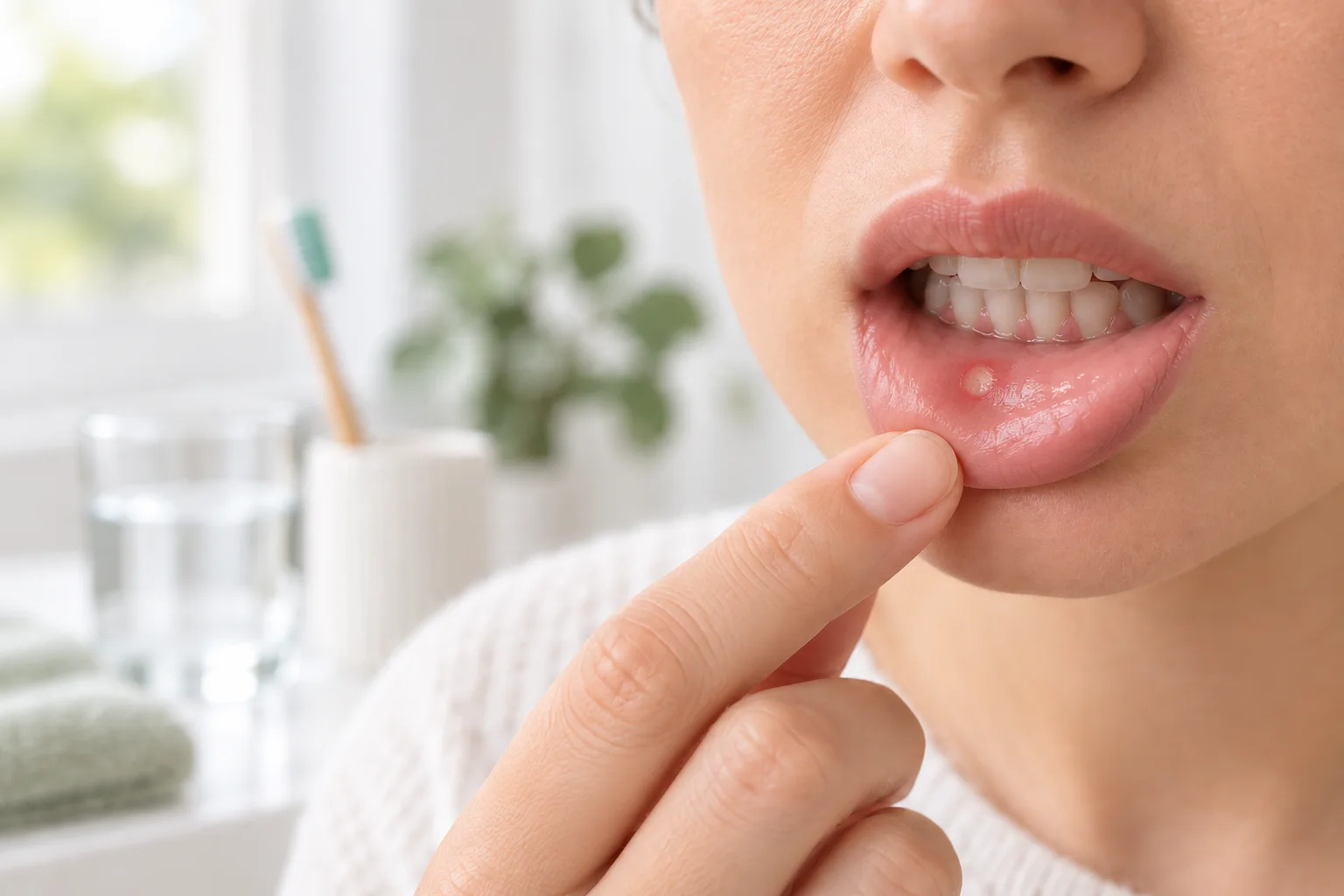
A canker sore, also called an aphthous ulcer, is a painful ulcer that usually develops on the soft tissues inside the mouth. It may appear on the inside of the lips or cheeks, the tongue, or other areas of the oral lining.
A typical canker sore may look like a round or oval ulcer with a whitish or yellowish centre and a reddish border. It is different from a cold sore, which is commonly associated with the lips and is caused by the herpes simplex virus.
Canker sores are generally not contagious. Some people develop an occasional sore, while others experience them repeatedly.
What Causes Canker Sores in the Mouth?
There is not always one identifiable cause. Several factors may contribute to canker sores.
Minor Injury or Irritation
An accidental bite to the cheek, a toothbrush injury, or irritation from a dental appliance can sometimes precede an ulcer.
Certain Foods
Spicy, acidic, or otherwise irritating foods may make an existing sore more painful and may trigger problems in some people.
Stress
Periods of physical or emotional stress may coincide with recurrent canker sores in some individuals.
Nutritional Factors
Certain nutritional deficiencies may be associated with recurrent oral ulcers. If someone repeatedly develops canker sores, a healthcare professional may consider whether an underlying nutritional or medical issue needs investigation.
Medical Conditions
Recurrent or unusual oral ulcers can sometimes occur alongside certain systemic conditions. This is one reason persistent or frequently recurring sores should not simply be self-treated indefinitely.
How to Treat Canker Sores in the Mouth
For a typical minor canker sore, treatment is generally focused on reducing pain and irritation while the sore heals.
1. Avoid Foods That Irritate the Sore
While the sore is healing, try to avoid foods that cause burning or irritation, particularly:
- Spicy foods
- Highly acidic foods
- Very salty foods
- Very hot foods and drinks
- Hard or sharp foods that can rub against the ulcer
Choose softer foods if chewing is uncomfortable.
2. Keep Your Mouth Clean
Continue brushing and flossing, but be gentle around the affected area. A soft-bristled toothbrush may be more comfortable if brushing is painful. Our dentist-recommended toothpaste guide and electric toothbrush guide can help you choose gentle daily-care products.
3. Try a Gentle Salt-Water Rinse
A mild salt-water rinse may help keep the mouth clean and can be soothing for some people. Do not aggressively swish or irritate the ulcer. The goal is gentle oral care, not scrubbing the sore.
4. Consider Over-the-Counter Oral Treatments
Some pharmacy products are designed to temporarily relieve pain or discomfort associated with mouth ulcers. The appropriate product depends on the person’s age, health history, and symptoms. Follow the product instructions and ask a dentist or pharmacist if you are unsure whether a particular treatment is suitable. If mouth pain is severe, our tooth pain guide explains warning signs that need prompt care.
5. Don’t Pick or Pop the Sore
A canker sore is not a blister that should be popped. Manipulating it can increase irritation and discomfort. Give the tissue time to heal naturally.
Can You Get Rid of a Canker Sore in 24 Hours?
Usually, there is no reliable way to make an ordinary canker sore disappear completely within 24 hours. Pain and irritation may sometimes be reduced more quickly with appropriate care, but healing of the ulcer itself generally takes longer.
Be cautious of products or online advice promising that a canker sore will disappear overnight. The best approach depends on the type and severity of the lesion.
How Long Do Canker Sores Last?
Many minor canker sores heal on their own within approximately one to two weeks. The exact healing time can vary, and larger or more severe ulcers may take longer to resolve.
If a sore is not improving, continues beyond the expected healing period, or repeatedly returns, it is worth having it examined rather than repeatedly treating it at home.
Why Do I Keep Getting Canker Sores?
Occasional canker sores are common, but recurrent sores deserve more attention, particularly when they are frequent, numerous, or difficult to heal.
Possible contributing factors can include:
- Repeated irritation or trauma
- Stress
- Dietary triggers
- Nutritional deficiencies
- Certain medications
- Underlying medical conditions
Keeping track of when the sores appear may help identify patterns. You might notice that ulcers repeatedly occur after a particular food, during periods of stress, or following irritation to the mouth. If you cannot identify a trigger or the ulcers are becoming more frequent, speak with a dentist or healthcare professional.
Canker Sore on the Tongue: What Should You Do?
Canker sores can develop on parts of the tongue and may be particularly uncomfortable because the tongue moves constantly while speaking and eating.
Treatment is generally focused on protecting the area from additional irritation and controlling discomfort while it heals. Avoid repeatedly touching the sore with your teeth or tongue, and choose foods that do not aggravate it.
A sore on the tongue that is persistent, unusually hard, repeatedly bleeding, or otherwise different from a typical ulcer should be professionally evaluated.
When Should You See a Dentist for a Canker Sore?
Most minor canker sores do not require dental treatment. However, an examination is appropriate when a mouth ulcer does not heal normally or has unusual features.
Consider seeing a dentist if:
- The sore lasts longer than about two weeks
- The ulcer is unusually large
- Pain is severe or worsening
- You develop many sores at once or canker sores keep returning
- Eating or drinking becomes difficult
- The sore looks unusual or does not appear to be improving
- You have other unexplained symptoms
A dentist can examine the lesion and surrounding tissues and determine whether it appears consistent with a typical canker sore or whether further investigation is needed. If you are preparing a child for an examination, our first dental visit guide may make the appointment easier.
Have a mouth sore that is not healing normally?
An individual dental examination can help determine whether it is a typical canker sore or whether further evaluation is needed.
Discuss Your SymptomsCanker Sore vs. Cold Sore: What’s the Difference?
| Feature | Canker Sore | Cold Sore |
|---|---|---|
| Typical location | Inside the mouth | Often on or around the lips |
| Appearance | Usually an ulcer with a pale centre and red border | Often begins as small fluid-filled blisters |
| Contagious? | Generally not contagious | Caused by herpes simplex virus and contagious |
| Common concern | Pain while eating or speaking | Blisters, crusting, and irritation around the lips |
Not every mouth sore is a canker sore. If you are unsure what a lesion is, a professional examination can help.
Can Canker Sores Be Prevented?
There is no guaranteed way to prevent every canker sore, particularly when the underlying trigger is unclear. However, you can reduce avoidable irritation by:
- Using a soft-bristled toothbrush
- Avoiding foods that repeatedly trigger irritation
- Taking care not to bite the cheeks or lips
- Maintaining regular oral hygiene
- Managing sources of stress where possible
- Discussing frequent or recurrent ulcers with a healthcare professional
If you notice a consistent trigger, avoiding it may reduce future episodes.
Conclusion
Learning how to treat canker sores in the mouth starts with understanding that most minor ulcers heal naturally. Gentle oral hygiene, avoiding irritating foods, and using appropriate measures for discomfort can make the healing period easier.
The important exception is a sore that does not heal, keeps returning, becomes unusually painful, or looks different from a typical canker sore. In these situations, professional assessment is important.
If you have a persistent or recurrent mouth sore in Faridabad or the Delhi NCR area, Little Bites Dental Clinic can examine the area and help determine the appropriate next step. You can also explore our general dental care services.