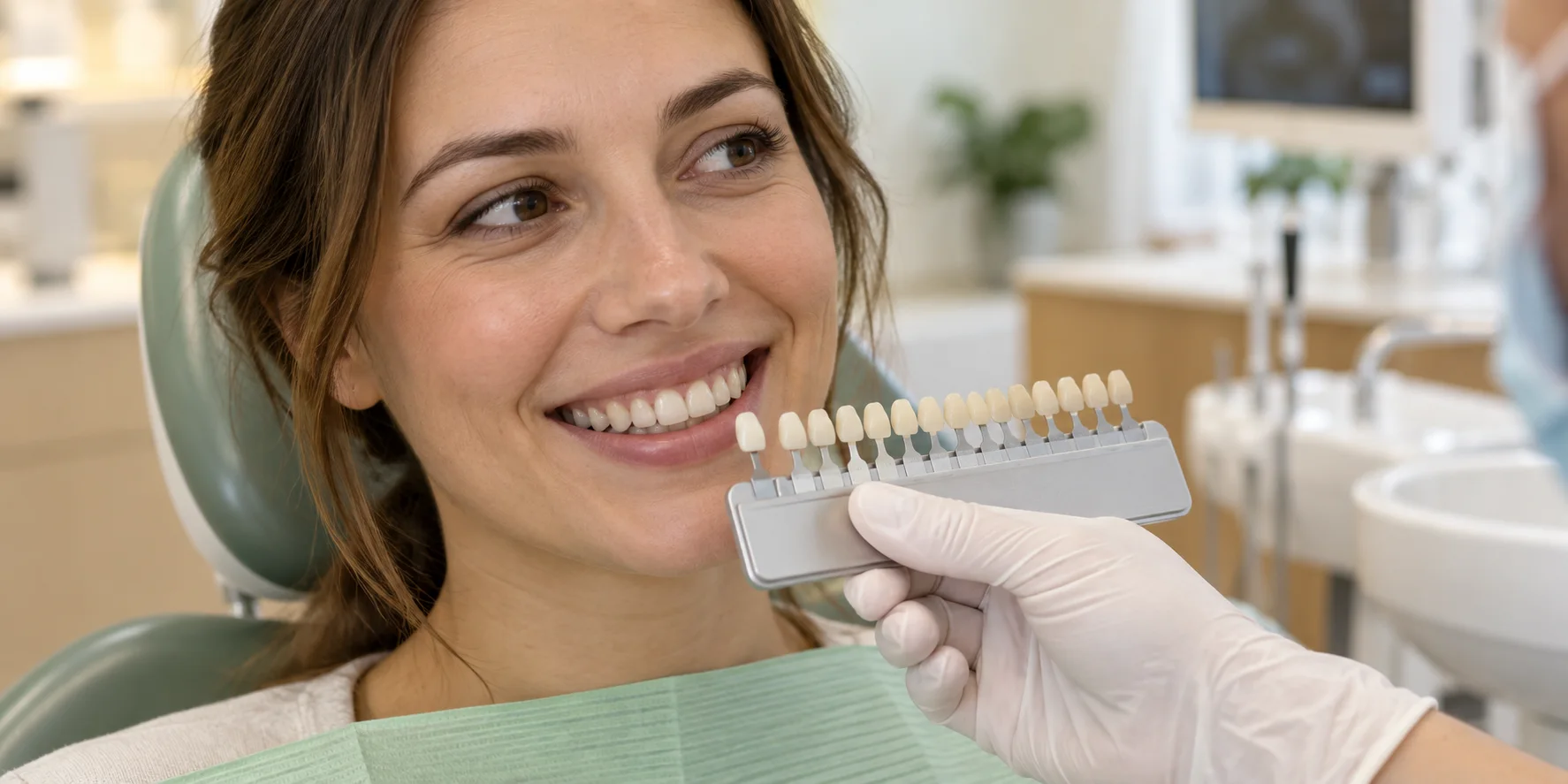
If you are asking, “is yellow teeth healthy or white?”, the important answer is that tooth colour alone does not determine oral health. Healthy natural teeth can be white, off-white, cream, or slightly yellow. Enamel is partly translucent, while the dentin underneath is naturally more yellow, so healthy teeth do not need to look bright white.
Are Yellow Teeth Healthy?
Yes, yellowish teeth can be healthy when the colour comes from natural dentin showing through enamel or from a person’s normal tooth shade. Dentin is the yellowish tissue beneath enamel and can contribute to the natural tint of teeth.
A mild, even yellow tone across many teeth may simply be natural. However, yellowing can also come from surface stains, plaque, tartar, smoking, or ageing, so the cause matters.
Are White Teeth Always Healthier?
No. White teeth can be healthy, but whiteness is not proof of dental health. Bright-looking teeth can still have cavities between them, gum inflammation, enamel erosion, or other problems that are difficult to see in a mirror.
The goal should not be the whitest possible tooth. It should be a clean, comfortable, disease-free mouth. Early tooth decay can sometimes begin as a white area where minerals have been lost, further showing why colour alone cannot confirm dental health.
Why Are My Teeth Yellow Even Though I Brush Every Day?
Daily brushing removes plaque and helps prevent disease, but it cannot change every cause of tooth colour. Teeth may remain yellow because the colour is coming from within the tooth rather than from surface dirt.
Common reasons include:
- Natural dentin colour: Yellowish dentin can show through translucent enamel.
- Ageing: Enamel can become thinner or more translucent, making dentin more visible.
- Food and drinks: Tea, coffee, cola, red wine, and strongly pigmented foods can stain surfaces.
- Tobacco: Smoking and chewing tobacco can cause persistent staining.
- Plaque or tartar: Deposits can make teeth look dull, yellow, or brown.
- Developmental or medication-related changes: Fluorosis, certain medicines during tooth development, and some inherited conditions can alter shade.
- Tooth injury: A single tooth that becomes darker than the others needs dental assessment. If this happens with discomfort, see our tooth pain guide.
The American Dental Association classifies tooth discoloration as extrinsic, intrinsic, or a combination of both and lists ageing, foods, drinks, tobacco, developmental factors, trauma, and some medications among possible causes.
Brushing harder is not the answer. Aggressive or abrasive scrubbing may wear enamel and make the yellower dentin underneath more visible.
Yellow Teeth vs White Teeth: What Is the Real Difference?
The difference is mainly appearance, not a simple healthy-versus-unhealthy distinction.
| Tooth appearance | What it may mean |
|---|---|
| Slightly yellow or cream | Often a normal natural shade |
| Bright white | May be natural, whitened, or cosmetically restored |
| Yellow surface stains | May come from tea, coffee, tobacco, plaque, or tartar |
| White chalky spots | Can reflect several conditions, including mineral loss |
| One dark or grey tooth | May follow trauma, pulp damage, or previous treatment |
| Brown or black areas | May be staining, tartar, decay, or another problem |
When Is Yellow Tooth Colour a Reason to See a Dentist?
Arrange an assessment if yellowing is new, uneven, or accompanied by pain, sensitivity, bleeding gums, persistent bad breath, visible cavities, rough deposits around the gumline, or a single tooth becoming darker.
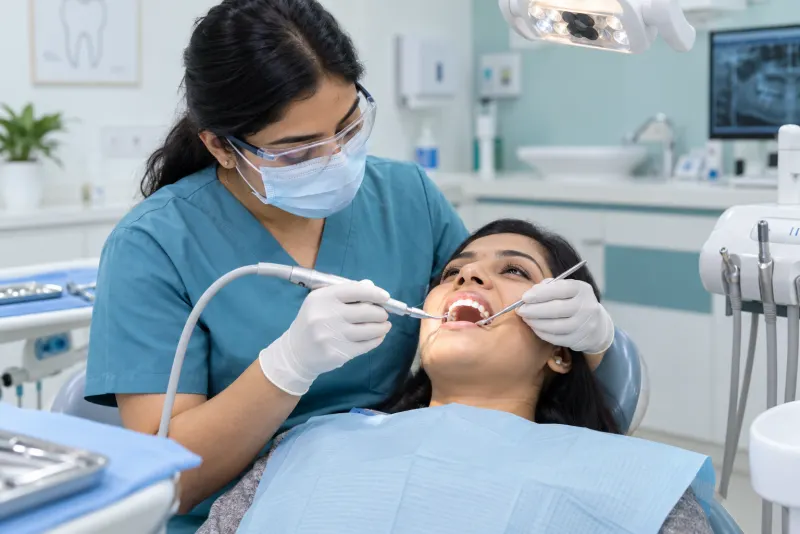
Professional teeth cleaning in Faridabad may remove plaque, tartar, and some external stains, but it does not necessarily change the natural internal shade of teeth. If the colour is intrinsic, a dentist can identify the cause before discussing whitening or another option.
Has one tooth changed colour or become darker?
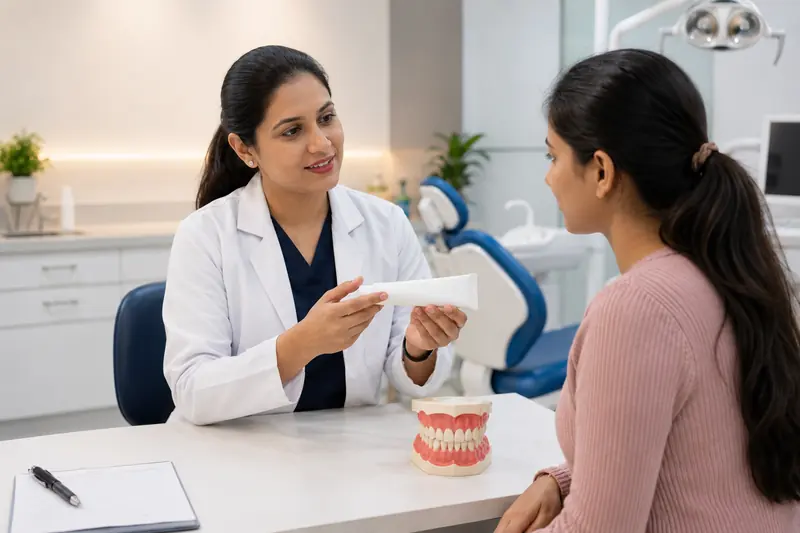
A dental examination can help distinguish natural shade from staining, tartar, decay, trauma, or another cause.
Book a Shade AssessmentShould You Whiten Healthy Yellow Teeth?
Whitening is an optional cosmetic treatment, not a requirement for healthy teeth. If your teeth are naturally cream or yellow and otherwise healthy, you do not need whitening for medical reasons.
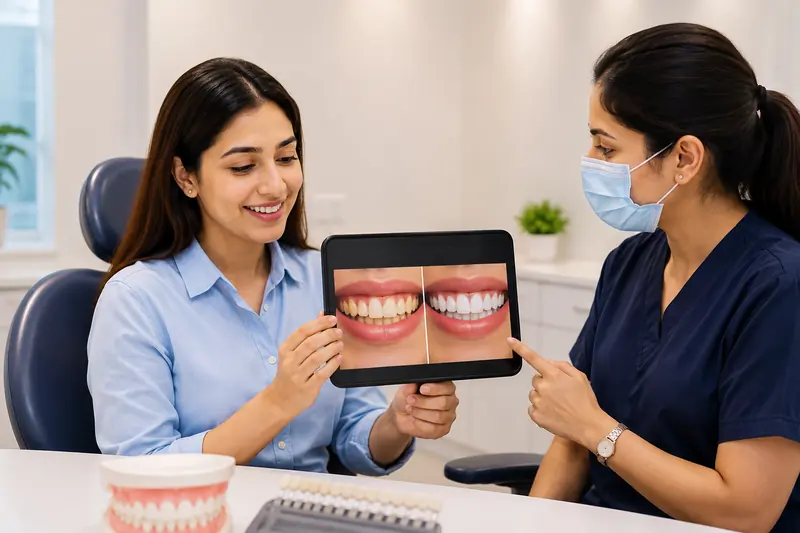
If you want a lighter shade, a dental examination is useful first. The American Dental Association explains that whitening results depend on the type of discoloration and that crowns, veneers, fillings, and implants do not whiten like natural teeth. Temporary sensitivity and gum irritation can occur.
Avoid DIY methods using lemon, vinegar, harsh scrubs, or abrasive charcoal. Acidic or overly abrasive methods can damage enamel. When enamel is worn away, the yellower dentin underneath may become more visible.
For children and adolescents, whitening needs extra caution. The American Academy of Pediatric Dentistry discourages full-arch cosmetic bleaching in primary and mixed dentitions.
How Can You Keep Teeth Healthy and Naturally Bright?
Focus on disease prevention and stain control:
- Brush twice daily with fluoride toothpaste and a soft toothbrush. Our dentist-recommended toothpaste guide can help with product selection.
- Clean between teeth every day using floss or another suitable method.
- Use gentle technique and consider our best electric toothbrush guide for 2026.
- Limit frequent exposure to strongly staining drinks and tobacco.
- Avoid acidic or highly abrasive home whitening remedies.
- Have tartar or persistent stains professionally assessed.
- Ask a dentist before bleaching if you have sensitivity, gum problems, restorations, or unexplained discoloration.
Conclusion
If you are searching “is yellow teeth healthy or white?”, neither colour can be labelled healthier from appearance alone. Slightly yellow teeth can be normal and healthy, while very white teeth can still develop cavities or gum disease.
What matters is the cause of the colour, the condition of the enamel and gums, and whether symptoms are present.
For patients in Faridabad and Delhi NCR, a dental check-up can distinguish natural tooth shade from staining, tartar, decay, trauma, or other causes of discoloration.