Safe cosmetic dentistry options for kids are usually conservative treatments that protect healthy tooth structure while improving a chip, stain, enamel defect or other visible concern. Depending on the diagnosis, options may include professional polishing, tooth-coloured composite bonding, selected enamel microabrasion or resin infiltration, and carefully planned whitening in some adolescents.
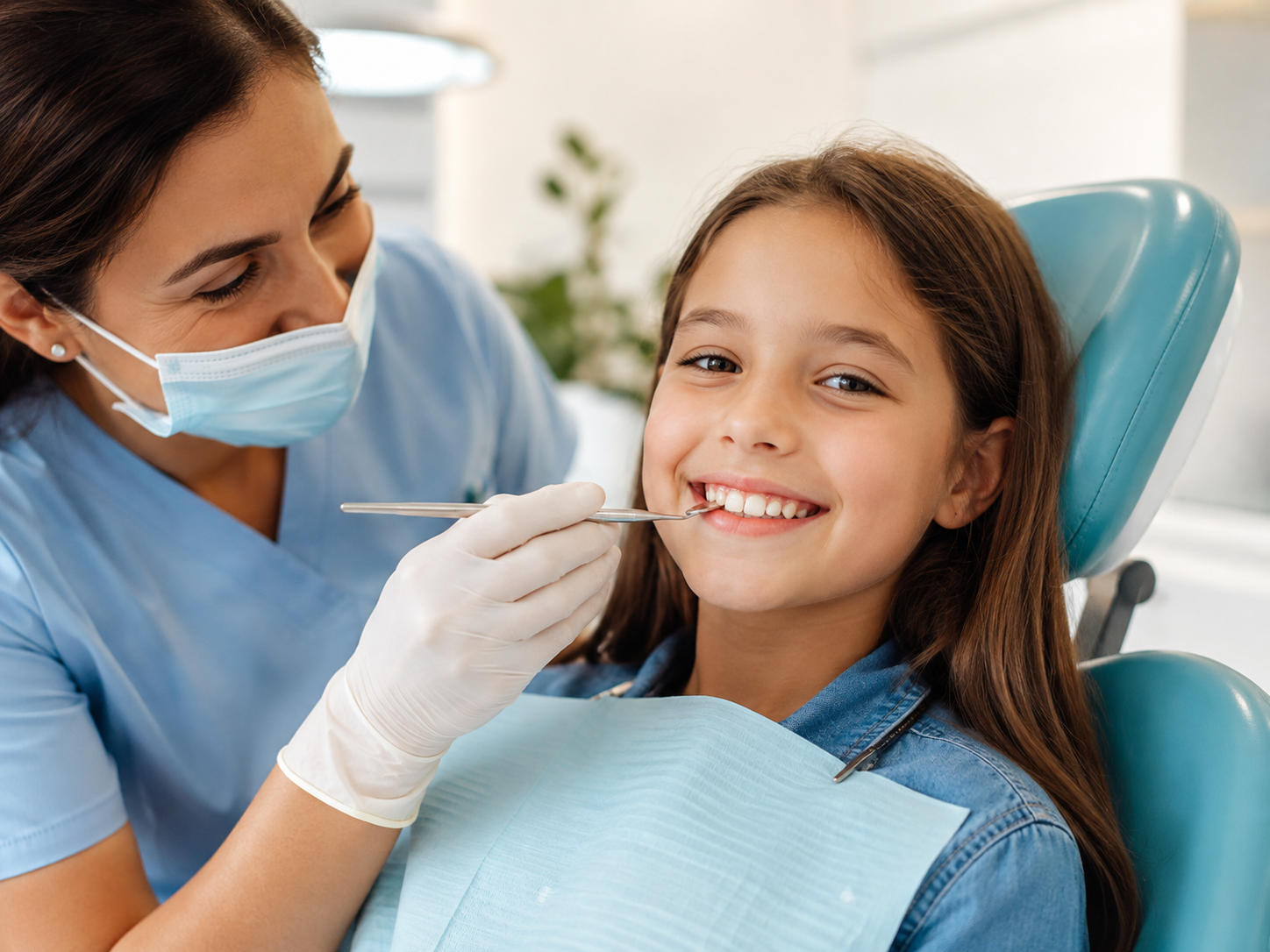
At Little Bites Dental Clinic in Faridabad, cosmetic treatment should follow an assessment of the child's oral health, tooth development and the reason the tooth looks different.
What Does Cosmetic Dentistry Mean for a Child?
Cosmetic dentistry in children often overlaps with restorative and preventive dentistry. A treatment may improve appearance while also repairing a fractured tooth, protecting weak enamel or restoring normal tooth shape.
A white, yellow, brown or grey area can have very different causes, including:
- Surface staining.
- Early enamel demineralisation.
- Dental caries.
- Fluorosis.
- Molar-incisor hypomineralisation (MIH).
- Previous dental trauma.
A chipped front tooth also needs a trauma assessment before its appearance is corrected. Current pediatric dental guidance emphasises diagnosis, stage of development, disease risk and appropriate timing rather than treating appearance in isolation.
- Dr. Nikitaa Dhingra Sanan, Little Bites Dental Clinic, Faridabad
Safe Cosmetic Dentistry Options for Kids
The most appropriate option depends on why the tooth looks different, whether it is a primary or permanent tooth, and how much dental development remains.
1. Professional Cleaning and Polishing
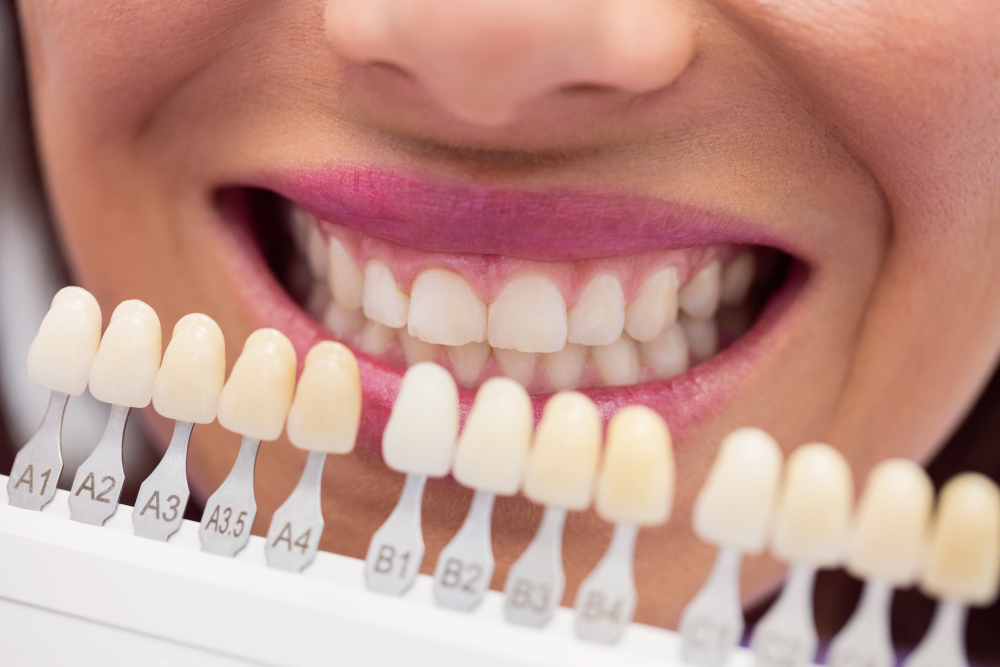
If discoloration is external, professional cleaning or polishing may be enough. This is one of the least invasive approaches because it does not intentionally alter healthy tooth structure.
A dentist should first distinguish a surface stain from decay, an enamel defect or discoloration originating inside the tooth. Whitening should not be used as a substitute for diagnosing a dark or discoloured tooth.
2. Composite Bonding for Chipped or Irregular Teeth
Composite bonding uses a tooth-coloured resin to rebuild or reshape part of a tooth. It may be useful for selected chipped permanent teeth, minor shape defects and restorative needs.
After dental trauma, diagnosis comes first. Depending on the injury, an available tooth fragment may sometimes be reattached or the missing area restored with composite resin.
Bonding is relatively conservative, but it is not maintenance-free. Composite can wear, stain or chip and may require repair as the child grows and the bite changes.
3. Tooth-Coloured Restorations and Pediatric Crowns
When a tooth has decay, developmental weakness or substantial structural damage, health and function come before appearance. Tooth-coloured restorative materials or selected esthetic pediatric crowns can also improve appearance.
Restorative decisions depend on the tooth involved, lesion size, caries risk, moisture control, cooperation and remaining tooth structure. A crown should not be viewed simply as a cosmetic cap for every discoloured baby tooth. The condition of the tooth should justify the restoration.
4. Enamel Microabrasion for Selected Discoloration
Enamel microabrasion removes a controlled, very small amount of superficial enamel. It may improve selected superficial enamel discolorations, including some cases of fluorosis.
Because the procedure removes enamel, correct diagnosis and conservative technique matter. It is not appropriate for every white or brown patch.
5. Resin Infiltration for Some White Spot Lesions
Resin infiltration is a minimally invasive technique in which a low-viscosity resin penetrates selected non-cavitated enamel lesions. It may help reduce the visible contrast of some white spots.
White spots may represent early caries, post-orthodontic demineralisation, fluorosis or developmental enamel defects. Resin infiltration is therefore not a universal treatment for every white spot. The cause should be identified first.
6. Tooth Whitening in Selected Adolescents
Whitening deserves more caution in children than in adults. Pediatric dental guidance supports whitening only when safe, effective and part of an individualised treatment plan, and discourages full-arch cosmetic bleaching in primary and mixed dentition.
For selected adolescents with permanent teeth, whitening may sometimes be considered after the cause of discoloration has been diagnosed, cavities and gum problems have been addressed, existing restorations have been considered and sensitivity risk has been assessed.
Thinking about improving your child's smile?
A pediatric dental assessment can identify whether the concern is cosmetic, developmental, restorative or related to previous trauma.
WhatsApp UsWhich Cosmetic Treatments Need Extra Caution?
Procedures that permanently remove healthy tooth structure deserve particular caution in growing children. Teeth continue to erupt, gums mature and the bite develops throughout childhood and adolescence.
Procedures or situations requiring careful consideration include:
- Full-arch bleaching during primary or mixed dentition.
- Elective porcelain veneers on otherwise healthy young teeth.
- Aggressive reshaping of healthy enamel.
- Replacing healthy restorations only to change their colour.
- Cosmetic treatment before active decay or gum disease is controlled.
- Altering the appearance of a traumatised tooth before assessing its pulp health.
Advanced esthetic treatment can sometimes be appropriate for adolescents with significant developmental or restorative problems. The expected benefit, however, should justify any irreversible change to tooth structure.
What About Braces or Clear Aligners?
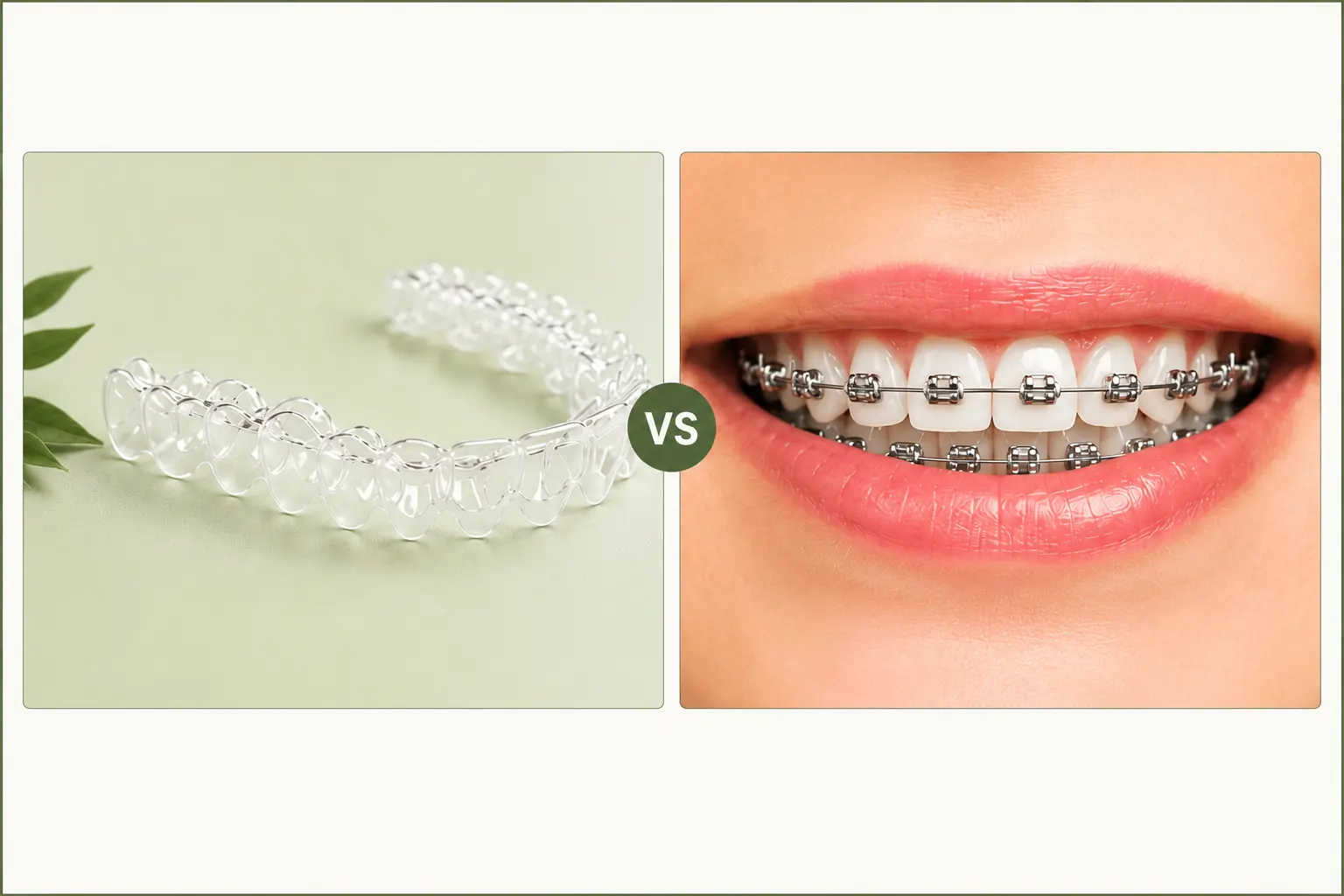
Braces and clear aligners can improve smile appearance, but orthodontics is not purely cosmetic. Orthodontic treatment manages tooth position, developing bite relationships and occlusion.
Some problems benefit from early intervention, while others are better treated after additional permanent teeth have erupted. Clear aligners may be suitable for selected adolescents, but suitability depends on the type of orthodontic problem and whether the child can wear the appliances consistently.
How Does a Dentist Decide What Is Safe?
A safe cosmetic treatment plan considers far more than chronological age.
| Question | Why it matters |
|---|---|
| Is it a primary or permanent tooth? | Treatment lifespan and preservation priorities differ. |
| What caused the colour or shape change? | Stain, caries, trauma and enamel defects require different care. |
| Is there pain or sensitivity? | Symptoms may indicate disease that needs attention first. |
| Is the tooth still developing? | Young permanent teeth often require more conservative planning. |
| Is function affected? | Treatment may be restorative rather than purely cosmetic. |
| Can a less invasive option work? | Healthy tooth structure should be preserved when possible. |
| Will growth alter the result? | Tooth eruption, gum position and bite can change appearance. |
Are Cosmetic Dental Procedures Safe for Children?
Selected cosmetic dental procedures can be safe for children when they are correctly indicated and matched to the child's dental development. That does not mean every cosmetic treatment is appropriate.
Possible risks or limitations include:
- Temporary sensitivity.
- Gum irritation.
- Wear or fracture of bonding.
- Colour mismatch as surrounding teeth change.
- Recurrence or persistence of enamel spots.
- Future repair or replacement.
- Unnecessary loss of healthy enamel with overly aggressive treatment.
A sensible pediatric sequence is generally: diagnose, control disease, preserve healthy tissue, restore function when needed, then address appearance conservatively.
When Is Cosmetic Treatment Not the First Priority?
Cosmetic treatment should usually wait when a child has pain, infection, active decay, significant gum inflammation or an unresolved dental injury.
For example, a front tooth that becomes grey after a fall should not simply be whitened. It first needs an assessment of the injury and pulp health. Similarly, a white spot caused by early demineralisation should first be assessed for caries activity.
Children with molar-incisor hypomineralisation may have visible white, cream, yellow or brown enamel changes along with sensitivity, enamel breakdown and increased restorative needs. MIH should be managed according to severity and clinical consequences rather than simply as a cosmetic problem.
Conclusion
Safe cosmetic dentistry options for kids should begin with a diagnosis, not a cosmetic procedure.
Professional stain removal, composite bonding, selected tooth-coloured restorations, enamel microabrasion and resin infiltration may be appropriate in different situations. Tooth whitening requires greater caution, and full-arch cosmetic bleaching is discouraged in primary or mixed dentition.
For children and adolescents, the preferred approach is generally the one that addresses the real problem while preserving as much healthy tooth structure as possible.
References
- American Academy of Pediatric Dentistry - Dental Bleaching for Child and Adolescent Patients.
- American Academy of Pediatric Dentistry - Pediatric Restorative Dentistry.
- American Academy of Pediatric Dentistry - Management of the Developing Dentition and Occlusion.
- American Academy of Pediatric Dentistry - Management of Acute Dental Trauma.
- American Academy of Pediatric Dentistry - Molar-Incisor Hypomineralization.
- PubMed - Enamel microabrasion and pediatric enamel discoloration research.
- PubMed - Resin infiltration for white spot lesions research.
Author / medical reviewer: Dr. Nikitaa Dhingra Sanan, BDS, MDS - Pediatric Dentist
Clinic: Little Bites Dental Clinic, Faridabad
Last medically reviewed: 2 September 2026
Medical disclaimer: This article provides general educational information and does not replace an individual dental examination, diagnosis or personalised treatment plan.