A damaged, cracked, or severely decayed tooth doesn't always need to be removed. In many cases, a dental crown can restore its strength, appearance, and function while preserving your natural tooth. If you've been searching for what a dental crown is, how the procedure works, and what it costs, this guide answers the questions patients most often ask before starting treatment.
At Little Bites Dental Clinic, we help patients across Faridabad and Delhi NCR restore damaged teeth using high-quality dental crowns tailored to their individual needs. Whether you've had a root canal, fractured a tooth, or want to improve your smile, understanding how dental crowns work can help you make an informed decision.
What Is a Dental Crown?
A dental crown, sometimes called a dental cap, is a custom-made covering placed over a damaged or weakened tooth. It completely covers the visible portion of the tooth above the gum line, restoring its:
- Shape
- Size
- Strength
- Appearance
- Function
Dental crowns are permanently cemented onto the prepared tooth and are designed to blend naturally with your smile. Unlike fillings, which repair only a portion of the tooth, crowns provide full coverage and additional protection.
When Is a Dental Crown Recommended?
A dentist may recommend a dental crown in several situations.
After Root Canal Treatment
Teeth that have undergone root canal treatment often become more brittle over time. A crown helps protect the tooth from fracture and restores normal chewing function.
Large Cavities
If a tooth has extensive decay and a filling cannot provide enough support, a crown may be the better option.
Cracked or Broken Teeth
Crowns reinforce weakened teeth and help prevent cracks from worsening.
Severely Worn Teeth
Teeth worn down by grinding (bruxism), acid erosion, or long-term wear may benefit from crown restoration.
Cosmetic Improvements
Crowns can improve the appearance of discoloured, misshapen, or damaged teeth when other cosmetic treatments are not suitable.
Dental Implants
Crowns are also placed on top of dental implants to replace missing teeth.
What Are the Different Types of Dental Crowns?
The best type of crown depends on the tooth being treated, cosmetic expectations, and functional needs.
Porcelain Crowns
Porcelain crowns closely resemble natural teeth and are commonly used for front teeth.
- Highly aesthetic — the closest match to natural enamel.
- Natural appearance — light passes through similarly to real teeth.
- Stain-resistant — holds its colour well over time.
- Suitable for visible teeth — a common choice for the smile zone.
Ceramic Crowns
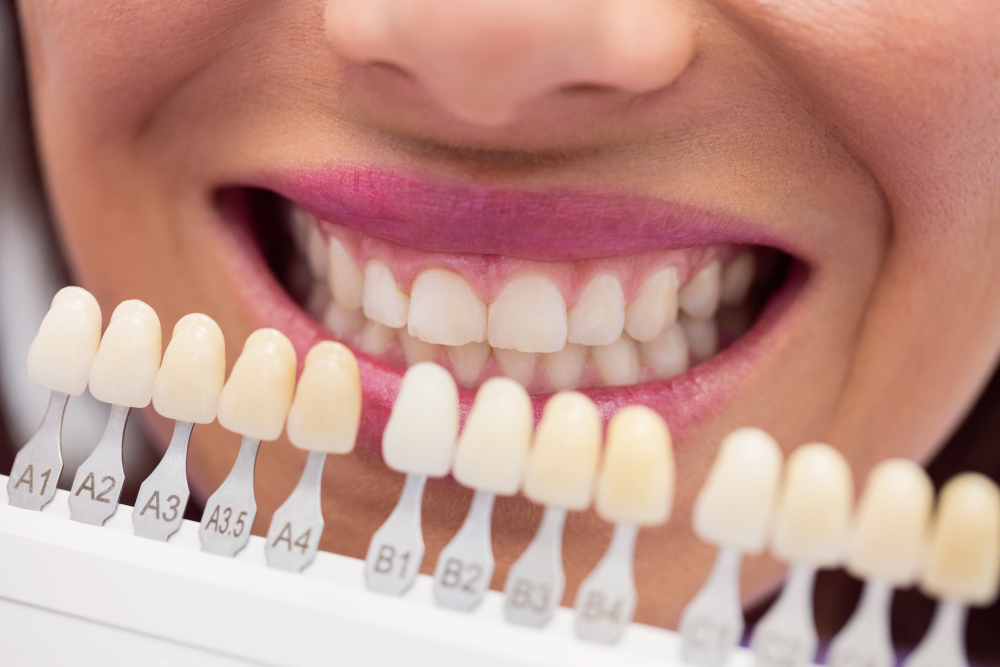
Ceramic crowns provide excellent aesthetics and are often recommended for patients with metal allergies.
- Natural tooth colour — blends well with surrounding teeth.
- Metal-free — no dark line at the gum margin.
- Good biocompatibility — generally well tolerated by gum tissue.
Zirconia Crowns
Zirconia has become one of the most popular crown materials due to its strength and durability.
- Very strong — handles heavy chewing forces well.
- Long-lasting — highly resistant to chipping and wear.
- Natural appearance — modern layered zirconia looks lifelike.
- Versatile — suitable for both front and back teeth.
Metal Crowns
Metal crowns are commonly made from gold alloys or other metal combinations.
- Exceptional durability — among the longest-lasting options.
- Minimal tooth reduction — less natural tooth needs to be removed.
- Resistant to fracture — rarely chips or cracks.
Because of their metallic appearance, they are generally used for back teeth.
Porcelain-Fused-to-Metal (PFM) Crowns
These crowns combine the strength of a metal base with a porcelain exterior. They offer a balance between durability and aesthetics, although modern all-ceramic and zirconia crowns are increasingly preferred in many cases.
Not sure which crown is right for your tooth?
Book a consultation at Little Bites Clinic, Sector 29, Faridabad — we'll examine the tooth and recommend the most suitable material for your bite and budget.
WhatsApp UsDental Crown Procedure: Step by Step
Patients often wonder what happens during crown treatment. Here is what a typical course of treatment involves.
Step 1: Examination and Diagnosis
Your dentist will examine the affected tooth and may take dental X-rays to assess:
- Tooth structure
- Decay
- Infection
- Root condition
- Surrounding bone
Step 2: Tooth Preparation
The tooth is carefully reshaped to create space for the crown. If a significant portion of the tooth is missing, a buildup material may be used to provide additional support.
Step 3: Dental Impressions or Digital Scanning
Your dentist records the exact shape of your prepared tooth using traditional impressions or digital scanning technology. These records are used to fabricate a custom crown.
Step 4: Temporary Crown
While the permanent crown is being made, a temporary crown protects the prepared tooth.
Step 5: Permanent Crown Placement
Once the custom crown is ready, your dentist checks the fit, bite, shape, colour, and comfort. After any necessary adjustments, the crown is permanently cemented into place.
How Much Does a Dental Crown Cost?
One of the most common questions patients ask is about the cost of treatment. The price of a dental crown depends on several factors, including:
- Crown material
- Tooth location
- Complexity of treatment
- Whether root canal treatment is required
- Laboratory fees
- Dentist's experience
- Geographic location
Approximate Dental Crown Costs in India
| Crown Type | Approximate Price Range |
|---|---|
| Metal Crown | ₹2,500 – ₹8,000 |
| Porcelain-Fused-to-Metal (PFM) | ₹4,000 – ₹10,000 |
| Ceramic Crown | ₹6,000 – ₹15,000 |
| Zirconia Crown | ₹10,000 – ₹25,000+ |
| Premium Esthetic Crowns | ₹15,000 – ₹30,000+ |
Please note: These are approximate price ranges and may vary depending on the patient's clinical requirements, the material selected, and the treatment plan. A consultation is the best way to receive an accurate estimate.
How Long Do Dental Crowns Last?
With proper care, many dental crowns last between 10 and 15 years, while some remain functional for much longer. Longevity depends on:
- Oral hygiene
- Crown material
- Teeth grinding
- Diet
- Regular dental checkups
Maintaining good oral hygiene can significantly extend the life of your restoration.
Are Dental Crowns Painful?
The procedure is typically performed under local anaesthesia, making it comfortable for most patients. Some mild sensitivity after tooth preparation is normal and usually resolves within a few days. Persistent pain should be evaluated by your dentist.
What Are the Benefits of Dental Crowns?
Dental crowns offer several advantages over leaving a damaged tooth untreated.
- Restore tooth strength — crowns reinforce weakened teeth and reduce the risk of fracture.
- Improve appearance — modern ceramic and zirconia crowns closely resemble natural teeth.
- Restore chewing function — patients can usually chew comfortably once the crown is properly fitted.
- Protect root canal-treated teeth — crowns help protect teeth that have become more fragile following root canal therapy.
- Long-term durability — with proper care, crowns can provide many years of reliable function.
Are There Any Risks?
Although dental crowns are generally safe and successful, potential complications may include:
- Temporary sensitivity
- Crown loosening
- Chipping (depending on the material)
- Cement failure
- Gum irritation
- Rare allergic reactions to certain materials
Regular dental follow-up helps detect and manage these issues early.
How Should You Care for a Dental Crown?
To help your crown last longer:
- Brush twice daily using fluoride toothpaste.
- Floss every day — pay attention to the crown margins where decay can start.
- Avoid chewing ice or hard objects that could chip the crown.
- Wear a night guard if you grind your teeth.
- Attend routine dental checkups so problems are caught early.
- Report any loose crown or persistent discomfort promptly.
Crowns can still develop decay at the margins if oral hygiene is neglected.
When Should a Dental Crown Be Replaced?
A crown may eventually need replacement if it becomes:
- Loose
- Cracked
- Worn
- Damaged
- Poorly fitting
- Associated with decay underneath
Routine dental examinations help identify problems before they become more serious.
Expert Recommendations from Little Bites Dental Clinic
At Little Bites Dental Clinic, we recommend:
- Don't delay treatment if your dentist recommends a crown.
- Choose crown materials based on your clinical needs, not just cost.
- Maintain excellent oral hygiene around crowned teeth.
- Attend regular dental examinations to monitor the restoration.
- Wear a night guard if you grind your teeth.
- Ask about zirconia and ceramic crowns for highly visible teeth.
For patients throughout Faridabad and Delhi NCR, personalised treatment planning helps ensure long-lasting, functional, and natural-looking results.
— Dr. Nikitaa Dhingra Sanan, Little Bites Dental Clinic, Faridabad
Conclusion
Understanding what a dental crown is, how the procedure works, and what it costs can help you make informed decisions about restoring damaged teeth. Dental crowns are a reliable solution for protecting weakened teeth, restoring chewing function, and improving the appearance of your smile.
Whether you need a crown after a root canal, for a fractured tooth, or to strengthen a heavily restored tooth, modern crown materials offer durable and natural-looking results.
If you're in Faridabad or Delhi NCR, the team at Little Bites Dental Clinic can evaluate your dental health, discuss your treatment options, and recommend the most suitable type of crown based on your needs.
Book Your Dental Crown Consultation Today
If you have a damaged, cracked, or weakened tooth, schedule a consultation at Little Bites Dental Clinic. Our experienced team will assess your oral health and help you choose the most appropriate crown for a healthy, confident smile.