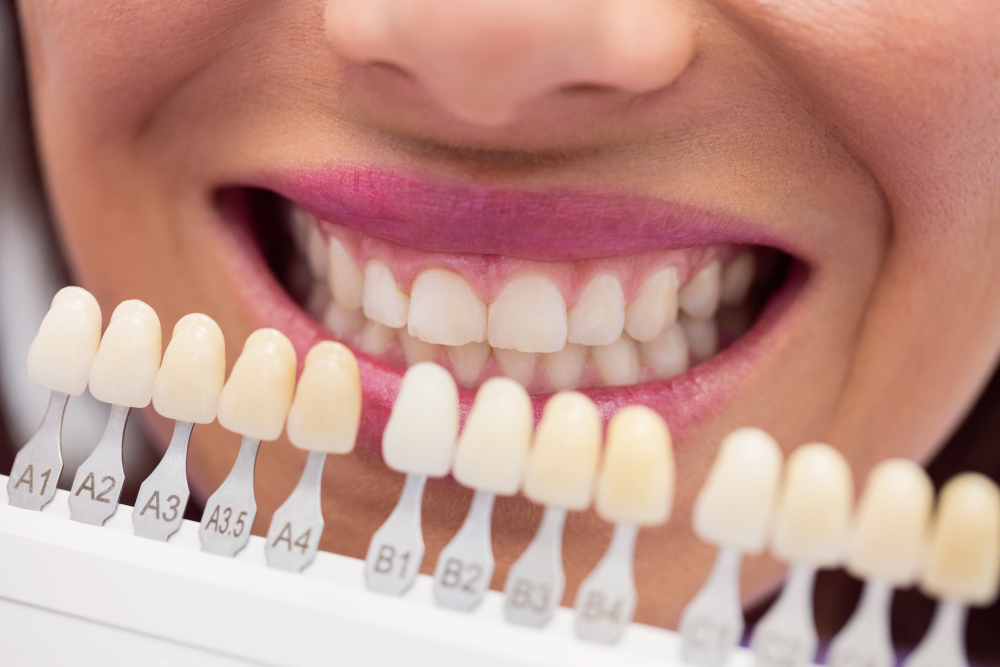
A toothache does not automatically mean you need root canal treatment. It may come from a small cavity, gum inflammation, a cracked filling or tooth grinding.
However, persistent pain, lingering temperature sensitivity, swelling or a darkened tooth can signal damage to the dental pulp - the nerves, blood vessels and connective tissue inside the tooth.
This guide explains seven warning signs you may need root canal treatment, how dentists confirm the diagnosis and when to seek urgent help. It is prepared for patients and parents in Faridabad and Delhi NCR by Little Bites Dental Clinic.
Worried about a painful tooth?
An examination can determine whether the tooth needs a filling, root canal treatment, gum care or another solution.
WhatsApp UsRoot Canal Treatment at a Glance
| Factor | What patients should know |
|---|---|
| Best for | A restorable permanent tooth with irreversibly inflamed, infected or non-vital pulp |
| Treatment time | Commonly one or more visits, depending on the tooth and infection |
| Cost | Varies by tooth, complexity, restoration and whether a crown is required |
| Main benefit | Removes diseased tissue while preserving the natural tooth |
| Possible risks | Temporary tenderness, persistent infection, instrument complications or tooth fracture |
| Recovery | Normal activities often resume quickly; avoid hard chewing until permanently restored |
| Success outlook | Generally favourable when correctly diagnosed, treated, restored and maintained |
What Is Root Canal Treatment?
Root canal treatment, or endodontic treatment, treats disease inside a tooth. The dentist numbs and isolates the tooth, removes inflamed or infected pulp, cleans the canals, fills them and seals the tooth. A permanent filling or crown is then used to protect the remaining structure.
The objective is to preserve a tooth that would otherwise remain painful, develop an abscess or require extraction. Deep decay, repeated dental procedures, faulty restorations, cracks and trauma are common causes of pulp damage.
Seven Warning Signs You May Need Root Canal Treatment
1. Persistent or Spontaneous Tooth Pain
Pulp inflammation can cause pain that throbs without an obvious trigger, returns repeatedly, wakes you at night, spreads towards the jaw or ear, or becomes harder to control.
Pain alone does not prove that RCT is necessary. Cracks, gum disease, sinus pressure and jaw-joint problems can feel similar.
2. Hot or Cold Sensitivity That Lingers
A brief response to ice cream or cold water may come from exposed dentine, gum recession or a small cavity. Sensitivity is more concerning when it continues after the hot or cold item has been removed.
Lingering thermal pain is a recognised sign of pulp injury, but it must be interpreted alongside other tests.
3. Pain When Biting or Chewing
Inflammation around a tooth root can make the tooth painful under pressure. It may feel tender, raised or uncomfortable when you release your bite.
Other possible causes include a cracked tooth, a high filling, food trapped between teeth, gum infection or tooth grinding. Because the treatments differ, biting pain requires diagnosis rather than self-treatment.
4. Swelling Near One Tooth
Localised gum swelling may indicate infection around a tooth root. It may be tender, intermittent or associated with facial pressure.
Swelling can also arise from gum disease or an impacted tooth. A dental examination and X-ray help locate its source.
5. A Recurring Pimple on the Gum
A small pimple or boil near a tooth may be a draining sinus tract. It can release fluid, create a bad taste and then shrink before returning.
Drainage may reduce pressure and pain, but it does not necessarily remove the infection. Do not squeeze the bump. Arrange a dental examination.
6. One Tooth Becoming Darker
A permanent tooth that becomes grey or noticeably darker may have suffered trauma or loss of blood supply. This differs from general staining caused by tea or coffee.
Whitening products cannot treat infected or non-vital pulp. A dark tooth does not always require RCT; the decision depends on pulp tests, symptoms and imaging.
7. A Deep Cavity, Crack or Broken Tooth
A deep cavity, broken filling or tooth crack can allow bacteria to reach the pulp even before severe pain begins. A shallow crack may need restoration, a crack reaching the pulp may require RCT and a crown, while a deep root fracture may make the tooth non-restorable.
Earlier assessment may preserve more treatment options.
- Dr. Nikitaa Dhingra Sanan, BDS, MDS
Can You Need a Root Canal Without Pain?
Yes. A tooth may cause little or no pain when the pulp has lost vitality, infection drains through the gum, damage developed slowly, trauma occurred months or years earlier, or changes are discovered on an X-ray.
Pain disappearing does not always mean the tooth has healed.
How Does a Dentist Confirm You Need RCT?
A dentist may use your symptom history, visual examination, cold or heat testing, tapping and bite tests, gum probing, dental X-rays, comparison with nearby teeth and pulp-sensibility or vitality assessment.
An X-ray alone does not always provide the full diagnosis. RCT may be advised when the pulp is irreversibly inflamed, infected or non-vital and the tooth can be predictably restored.
When Dentists May Not Recommend RCT
- The pulp can still recover.
- A filling or bite adjustment can resolve the cause.
- Pain is coming from the gums, sinus or jaw joint.
- The tooth has a non-restorable fracture.
- Remaining tooth or bone support is inadequate.
- Extraction is the more predictable option.
Root Canal Treatment vs Other Options
| Option | May be appropriate when | Main limitation |
|---|---|---|
| Filling | Decay has not irreversibly damaged the pulp | Cannot treat established pulp infection |
| Pulp-preserving treatment | Selected cases retain healthy or recoverable pulp | Suitability depends on precise diagnosis |
| Root canal treatment | Pulp damage is irreversible and the tooth is restorable | Requires a secure final restoration |
| Extraction | The tooth cannot be predictably saved | Leaves a space that may require replacement |
| Monitoring | Findings are uncertain and immediate treatment is unnecessary | Requires reliable review and clear safety advice |
Are Antibiotics an Alternative to Root Canal Treatment?
Usually not. Antibiotics do not remove infected or dead tissue from inside the root-canal system. Definitive dental treatment is usually needed for most pulpal and periapical pain or localised swelling when treatment is available.
Antibiotics may be appropriate when there are signs of systemic involvement or spreading infection. Never use leftover antibiotics or another person's prescription.
Is Root Canal Treatment Painful?
Modern RCT is performed with local anaesthesia. Most patients are comfortable during the procedure, and treatment is intended to relieve pain caused by pulp inflammation or infection.
Some tenderness afterwards is possible. Contact the clinic if pain or swelling worsens instead of improving.
When Is a Tooth Infection an Emergency?
Contact a dentist urgently for increasing facial swelling, fever, worsening tooth pain, difficulty opening your mouth or swelling below the jaw.
- Breathing or swallowing difficulty - seek emergency medical care immediately.
- Swelling spreading to the eye or neck - this can signal a spreading infection.
- Rapidly progressing swelling - do not wait for a routine appointment.
- Confusion, collapse or severe weakness - these are emergency warning signs.
Benefits and Limitations of Root Canal Treatment
Potential benefits
- Preserves the natural tooth
- Removes infected or irreversibly inflamed tissue
- Restores chewing function
- Avoids an immediate extraction
- Helps maintain the natural bite
Limitations and risks
- The tooth may need a crown.
- Temporary post-treatment tenderness can occur.
- Complex anatomy may make treatment difficult.
- Retreatment or surgery is occasionally required.
- A weakened tooth can fracture without proper restoration.
- Severely damaged teeth may not be saveable.
Root Canal Myths vs Facts
| Myth | Fact |
|---|---|
| Every toothache needs RCT. | Many toothaches have other causes. |
| RCT causes illness elsewhere. | Modern evidence does not support this claim. |
| Extraction is always easier. | Replacing a missing tooth may require further treatment. |
| Root canal treatment is always painful. | Local anaesthesia makes most procedures comfortable. |
| Antibiotics can cure the problem. | They do not clean infected tissue from inside the tooth. |
| No pain means no infection. | Some non-vital teeth remain painless. |
| Every treated tooth needs a crown. | Restoration depends on tooth location and remaining structure. |
| Milk teeth never need pulp treatment. | Primary teeth may require pulpotomy or pulpectomy. |
Ten Common Mistakes to Avoid
- Waiting until pain becomes unbearable
- Assuming pain relief means the infection has healed
- Repeatedly taking antibiotics without dental treatment
- Placing aspirin or chemicals directly on the gum
- Squeezing a gum boil
- Chewing hard food on a cracked tooth
- Ignoring a tooth that darkens after trauma
- Delaying the permanent filling or crown after RCT
- Treating a child's infected milk tooth as unimportant
- Choosing RCT or extraction without discussing whether the tooth is restorable
Can Children Need Root Canal Treatment?
Yes, but treatment for a milk tooth is not necessarily the same as adult RCT. Depending on the diagnosis, a paediatric dentist may recommend pulpotomy, pulpectomy, treatment of a young permanent tooth, restoration with a suitable crown, or extraction and space maintenance when necessary.
Milk teeth support chewing, speech and space for permanent teeth. They should not be removed merely because they will eventually fall out.
Key Takeaway
The seven warning signs you may need root canal treatment are persistent tooth pain, lingering temperature sensitivity, pain while chewing, swelling, a gum boil, tooth darkening and deep decay or cracking.
These signs should prompt an examination - not self-diagnosis. A dentist may find that you need RCT, but may instead recommend a filling, gum care, pulp-preserving treatment, monitoring or extraction.
For patients and parents in Faridabad and Delhi NCR, Little Bites Dental Clinic focuses on accurate diagnosis and preserving natural teeth whenever clinically appropriate.
Concerned about tooth pain?
Book a dental examination with Dr. Nikitaa Dhingra Sanan at Little Bites Dental Clinic, Sector 29, Faridabad.
WhatsApp UsAuthor and medical reviewer: Dr. Nikitaa Dhingra Sanan, BDS, MDS
Clinic: Little Bites Dental Clinic, Faridabad
Last medically reviewed: 29 July 2026
Medical disclaimer: This article provides general educational information. It does not replace an examination, diagnosis or personalised treatment advice from a qualified dental professional.