The effects of vitamin D deficiency on oral health can involve tooth development, bone mineralization and potentially periodontal health, but vitamin D deficiency cannot usually be diagnosed by looking at the mouth alone.
Vitamin D helps the body absorb calcium and maintain calcium and phosphate levels needed for normal mineralization of bones and teeth. Severe deficiency can cause rickets in children and osteomalacia in adults. Research also reports associations between low vitamin D status and some oral conditions, although association does not always prove that deficiency directly caused the dental problem. For a broader overview of common dental conditions, see our oral health essentials guide.
Why Is Vitamin D Important for Teeth and Gums?
Vitamin D is important because it helps the body absorb calcium and maintain calcium and phosphate concentrations required for mineralized tissues. Calcium forms a major part of teeth and bone, while vitamin D supports its intestinal absorption. Almost all of the body’s calcium is stored in bones and teeth.
Vitamin D also has roles in immune and inflammatory processes. This has led researchers to investigate whether vitamin D status may influence gum health, dental caries and oral development.
That does not mean taking additional vitamin D automatically makes teeth stronger. Adequate nutrition, fluoride exposure, plaque control, saliva, diet and regular dental care remain important.
What Are the Effects of Vitamin D Deficiency on Oral Health?
The clearest dental relevance of severe vitamin D deficiency relates to mineralization and bone development. Other proposed oral effects have varying levels of evidence.
A 2025 systematic review found associations between vitamin D deficiency and periodontal disease, dental caries, tooth-mineralization defects and some other oral conditions. However, the included studies varied considerably, so many of these relationships should be interpreted cautiously.
Tooth Development and Mineralization
Vitamin D deficiency during periods of growth can interfere with normal mineral metabolism. In children, severe deficiency can cause rickets. Because teeth develop alongside the skeleton, disturbances in calcium-phosphate metabolism during tooth formation may contribute to developmental dental abnormalities in some patients.
NIH guidance also notes dental abnormalities among possible manifestations associated with severe deficiency and rickets or osteomalacia. This is different from saying vitamin D deficiency suddenly removes enamel from fully developed adult teeth. If you are concerned about a child’s tooth development, our pediatric dentistry guide for Faridabad explains when a specialist assessment may help.
Gum Health and Periodontitis
Studies have repeatedly investigated an association between low vitamin D levels and periodontal disease. Reviews have reported an association between deficiency and increased periodontal or gingival problems, while also emphasizing variation between studies and limitations in proving cause and effect.
Periodontitis is primarily an inflammatory disease associated with bacterial plaque and other risk factors. Vitamin D deficiency should not be treated as a substitute explanation for poor plaque control, tobacco exposure, diabetes or other established periodontal risks. Professional teeth cleaning in Faridabad may be part of managing plaque and tartar, but established gum disease needs an individual treatment plan.
Dental Cavities
The evidence linking vitamin D deficiency directly to cavities is less consistent. A 2024 systematic review found that evidence regarding dental caries was controversial, whereas the relationship with periodontitis appeared more consistent.
Cavities are influenced by multiple factors, including plaque bacteria, fluoride exposure, frequency of sugars and starches, saliva and oral hygiene. A person with cavities should therefore not assume they are vitamin D deficient.
What Are Symptoms of Vitamin D Deficiency in the Mouth?
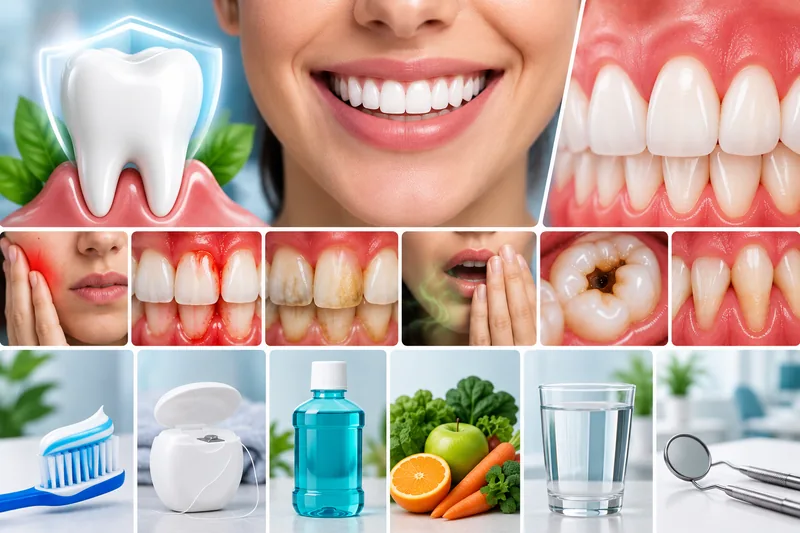
There is no single mouth symptom that reliably diagnoses vitamin D deficiency. People searching for oral manifestations often mention:
| Oral concern | What it may actually mean |
|---|---|
| Bleeding gums | Commonly associated with gingivitis or periodontal disease; not specific to vitamin D deficiency |
| Tooth sensitivity | Can result from recession, enamel wear, decay, cracks and other causes |
| Gum recession | Has several periodontal, anatomical and mechanical causes |
| Cavities | Multifactorial; vitamin D deficiency is not the only explanation |
| Developmental enamel changes | May have nutritional, genetic, environmental or medical causes |
| Loose teeth | May occur with advanced periodontal disease and needs dental evaluation |
NIDCR identifies plaque-related inflammation as a major cause of gum disease, with symptoms such as red or swollen gums, bleeding, recession and loose teeth. These signs require dental assessment rather than assuming a nutritional deficiency.
Can Vitamin D Deficiency Cause Tooth Sensitivity or Gum Recession?
Vitamin D deficiency should not be assumed to be the direct cause of sensitivity or gum recession. Sensitivity commonly occurs when dentin becomes exposed because of recession, enamel wear, decay or cracks. Gum recession can result from periodontal disease, tooth position, tissue characteristics, traumatic brushing and other factors.
Current research examining vitamin D and periodontal health shows associations, but it does not establish that correcting vitamin D alone reverses established recession. If sensitivity or recession persists, the cause should be examined directly. Our tooth pain guide explains which symptoms need urgent attention.
Is Vitamin D Good for Teeth and Gums?
Yes, adequate vitamin D is important for normal mineral metabolism and overall health, including structures supporting the teeth. However, vitamin D supplements are not a replacement for periodontal treatment, fluoride toothpaste or effective oral hygiene.
Recent systematic reviews are cautious and not entirely identical in their conclusions. One 2026 review found potential additional benefits mainly in patients with documented deficiency, while a later 2026 meta-analysis found no statistically significant additional benefit for probing-pocket depth and described the evidence as limited and heterogeneous. Vitamin D should therefore not be presented as a stand-alone treatment for periodontitis.
Persistent bleeding, sensitivity or gum recession?
A dental examination can identify whether the symptom has a local oral cause and whether further medical evaluation may be appropriate.
Book a Dental AssessmentHow Do You Know If You Have Vitamin D Deficiency?
Vitamin D status is generally assessed with a blood test measuring 25-hydroxyvitamin D [25(OH)D]. NIH guidance identifies serum 25(OH)D as the main marker used to evaluate vitamin D status.
Professional recommendations do not support routine testing of every healthy, symptom-free adult simply because they have a dental problem. General effects of significant deficiency may include bone pain and muscle weakness, but many people do not have distinctive symptoms.
If deficiency is suspected because of medical symptoms or risk factors, testing and supplementation decisions are best discussed with an appropriate healthcare professional.
Can Too Much Vitamin D Harm You?
Yes. More vitamin D is not always better. Excessive supplementation can cause vitamin D toxicity and high calcium levels. NIH lists possible effects including nausea, weakness, dehydration, excessive thirst or urination, kidney stones and, in severe cases, kidney or heart problems.
Toxicity is generally associated with excessive supplementation rather than normal sunlight exposure. Avoid taking high-dose vitamin D specifically to treat tooth or gum symptoms unless it has been medically recommended.
How Should You Protect Your Oral Health?
Vitamin D status is only one part of oral health. Continue the fundamentals:
- Brush twice daily with fluoride toothpaste. Our dentist-recommended toothpaste guide can help with product selection.
- Clean between the teeth regularly using floss or another suitable method.
- Limit frequent sugary foods and drinks.
- Avoid tobacco in all forms.
- Arrange dental examinations and professional cleaning according to individual risk.
- Discuss suspected vitamin D deficiency and supplement doses with an appropriate healthcare professional.
NIDCR recommends twice-daily brushing with fluoride toothpaste and regular interdental cleaning to control plaque and reduce tooth decay and gum disease risk.
Conclusion
The effects of vitamin D deficiency on oral health are most biologically plausible through its role in calcium absorption, mineralization, bone health and immune function.
Severe deficiency can affect developing mineralized tissues, and research has found associations with periodontal disease and some dental conditions. However, sensitivity, cavities, gum recession or bleeding gums do not prove vitamin D deficiency.
Oral symptoms should be evaluated dentally, while suspected vitamin D deficiency should be assessed medically when appropriate.
References
- NIH Office of Dietary Supplements – Vitamin D Fact Sheet for Health Professionals
- NIH Office of Dietary Supplements – Calcium Fact Sheet for Health Professionals
- NIDCR – Periodontal (Gum) Disease
- NIDCR – Oral Hygiene
- PubMed – Vitamin D Deficiency and Oral Health: 2025 Systematic Review
- PubMed – Vitamin D Deficiency, Caries and Periodontitis: 2024 Systematic Review
- PubMed – Vitamin D Supplementation with Periodontal Therapy: 2026 Systematic Review
- PubMed – Vitamin D Supplementation and Periodontal Health: 2026 Meta-analysis